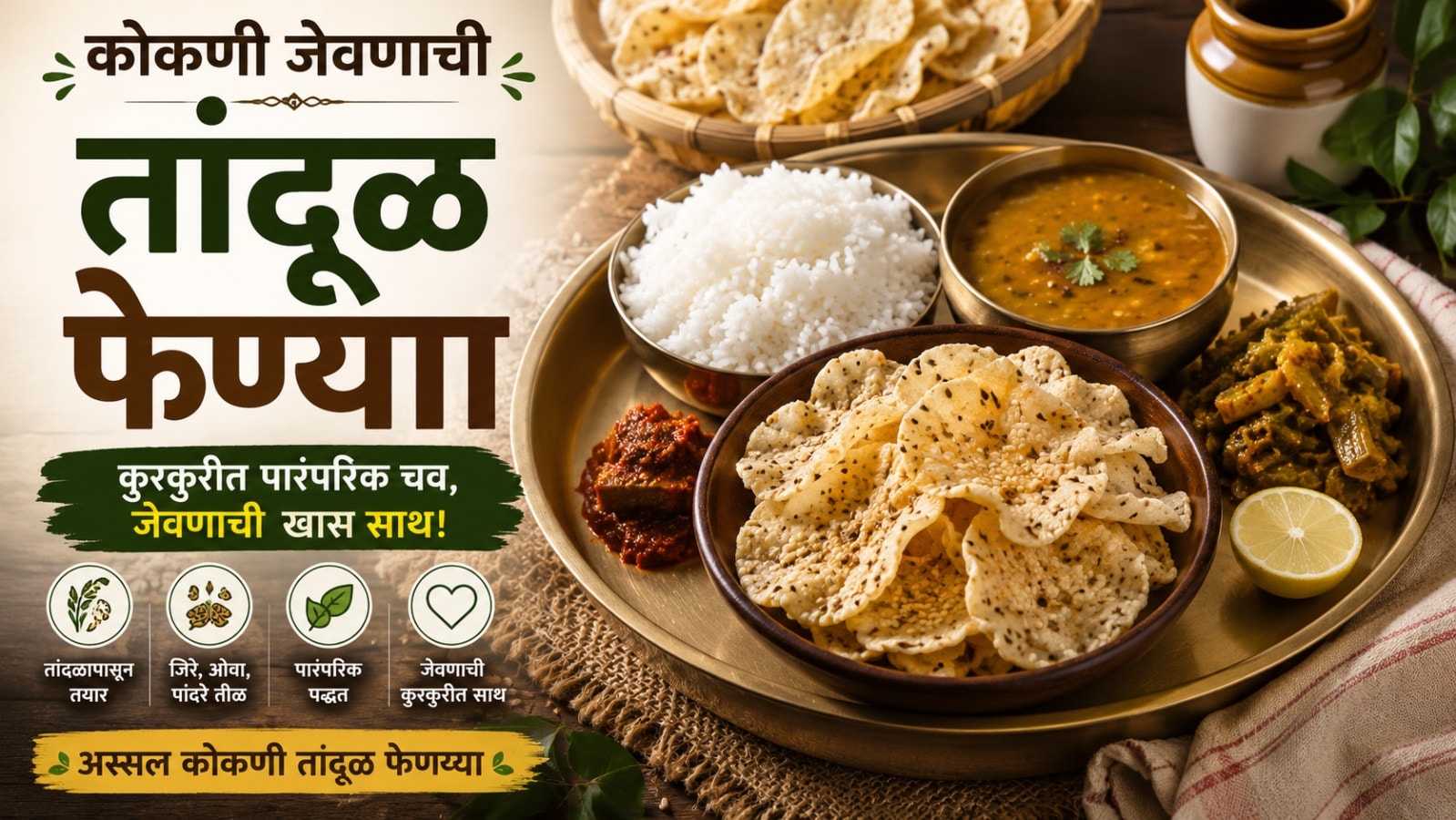
Tandul Fenya – A Traditional Rice Accompaniment from Konkan
Konkan's traditional food culture includes many dishes that are not necessarily the main part of a meal, but make the meal more enjoyable.
Tandul Fenya is one such traditional preparation.
Made from rice-based ingredients, these fenya are prepared, dried and stored for later use. They are usually prepared when needed and served as a crispy accompaniment with meals.
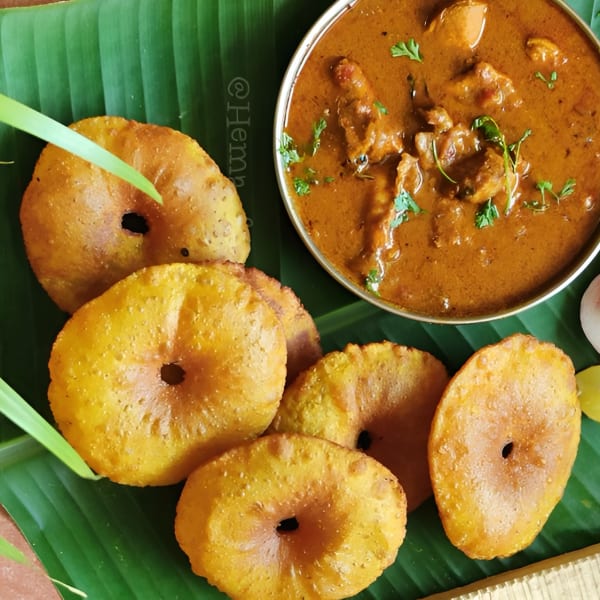
A plate of hot rice, amti, dal, vegetables and pickle can be enjoyed with crispy Tandul Fenya on the side.
Unlike a typical tea-time snack, Tandul Fenya are better known as a traditional crispy accompaniment served with a meal.
🌾 What Are Tandul Fenya?
Tandul Fenya are a traditional rice-based preparation associated with Konkan's home-style food traditions.
A rice-based mixture is prepared and shaped into fenya before being dried.
Once properly dried, they can be stored and prepared when required.
The exact ingredients, shape, preparation method and drying process can vary between households and regions.
This means there is not necessarily one single recipe for Tandul Fenya.
Instead, different families may have their own traditional method and flavour.
🌴 Rice and Its Connection with Konkan
Rice has an important place in the traditional diet of Konkan.
Steamed rice is a familiar part of everyday meals in many Konkani households.
It is commonly served with amti, dal, vegetables, fish preparations, pickles and other regional dishes.
The region has a long tradition of using rice in different preparations.
Tandul Fenya represent another interesting way of using rice in traditional food.
They show how a simple local staple can be transformed into a completely different texture and form.
🏡 Every Household Has Its Own Tandul Fenya Tradition
Traditional food is often shaped by household practices.
Tandul Fenya made in one Konkani home may taste slightly different from those made in another.
The type of rice, ingredients used in the mixture, amount of water, shape and drying method can all vary according to family tradition.
In some families, these methods are passed down from one generation to the next.
This means that making a traditional food is not only about preparing something to eat.
It is also about preserving family knowledge and food traditions.
☀️ Summer Preparation and Drying
Sun-drying has traditionally played an important role in preparing and preserving seasonal foods.
During the warmer months, many households prepare certain foods and dry them in the sun for later use.
Tandul Fenya can also be prepared and dried so that they can be stored and used when needed.
Proper drying is important because excess moisture can affect storage and crispness.
The traditional use of sunlight is therefore an important part of this type of home preparation.
🍚 How Are Tandul Fenya Prepared?
The preparation of Tandul Fenya can vary depending on the village, household tradition and available ingredients.
Generally, a rice-based mixture is prepared and shaped into the desired form.
The fenya are then dried properly, often using sunlight.
Once dried, they can be stored and prepared when required, traditionally by frying them before serving.
The ingredients, proportions, shape and drying method may differ from one household to another.
As a result, the taste and texture of Tandul Fenya can vary between families and regions.
That is one of the beautiful things about traditional home cooking—the same dish can have a different taste in every home.
🍽️ What Are Tandul Fenya Eaten With?
Tandul Fenya are primarily enjoyed with a meal.
In Konkani households, they can be served with rice and amti, dal, vegetables or pickle.
The softness of hot rice and amti combined with the crispy texture of fenya creates an enjoyable contrast.
Some households may serve them with a particular vegetable or another preparation according to personal preference.
Their identity is therefore not only about their flavour.
It is also about how they are served as part of a traditional meal.
Rather than being positioned primarily as a standalone snack, Tandul Fenya are better understood as a crispy accompaniment to a traditional meal.
🍛 Tandul Fenya with Rice and Amti
Rice and amti are a familiar combination in many Konkani meals.
When hot rice is served with amti, adding crispy Tandul Fenya creates a different texture in the meal.
Soft rice, flavorful amti and crispy fenya complement each other naturally.
A vegetable or homemade pickle on the side can add even more variety to the plate.
This combination is less about a fixed recipe and more about the everyday traditions of home-style Konkani meals.
🥗 With Vegetables and Pickle
Tandul Fenya do not have to be served only with amti.
Depending on the household, they may also be enjoyed with vegetables or pickle.
Crispy fenya can create a pleasant contrast when served alongside softer or gravy-based dishes.
This allows even a simple home-cooked meal to have different flavours and textures.
🧂 What Do Tandul Fenya Taste Like?
The flavour of Tandul Fenya depends on the ingredients and preparation method.
When properly prepared, they have a crisp texture.
Salt, spices or other local ingredients used in the mixture can influence their flavour.
Some households may prefer a simple version, while others may use additional seasoning.
Their main appeal, however, is the crispy texture and the way they complement a traditional meal.
🌧️ Konkan Monsoon and Traditional Sun-Dried Foods
The monsoon is an important part of life in Konkan.
Because the region receives substantial rainfall, many traditional households prepared certain foods during the sunnier months for later use.
Sun-dried foods could then be used during the following months.
Tandul Fenya are connected with this broader tradition of preparing and preserving foods during suitable weather.
Using sunlight, seasonal time and locally available ingredients reflects the practical side of traditional Konkani home cooking.
👵 Memories of Traditional Home Cooking
Foods such as Tandul Fenya often carry memories along with their flavour.
Summer holidays at a grandparent's home.
Traditional foods drying in the courtyard.
Learning household recipes from older family members.
And finally enjoying those preparations as part of a simple home-cooked meal.
These memories remind us that traditional food is not only about ingredients and recipes.
It is also about family knowledge and shared experiences.
🌾 Tandul Fenya and Konkani Food Culture
One of the defining characteristics of Konkani food culture is the creative use of locally available ingredients.
Rice, coconut, kokam, pulses, spices and regional vegetables all play important roles in traditional cooking.
Tandul Fenya represent one traditional way of transforming rice into a different form.
They reflect both the simplicity and creativity of Konkani home cooking.
When a local preparation continues to be made and enjoyed across generations, it becomes part of the food identity of a region.
🛍️ What to Check When Buying Tandul Fenya
When buying packaged Tandul Fenya, it is useful to check a few basic details.
- Read the ingredient list.
- Make sure the package is properly sealed.
- Check the net weight and MRP.
- Look at the packed date and best-before date.
- Follow the storage instructions provided on the package.
To keep the fenya crispy, store them properly after opening the package.
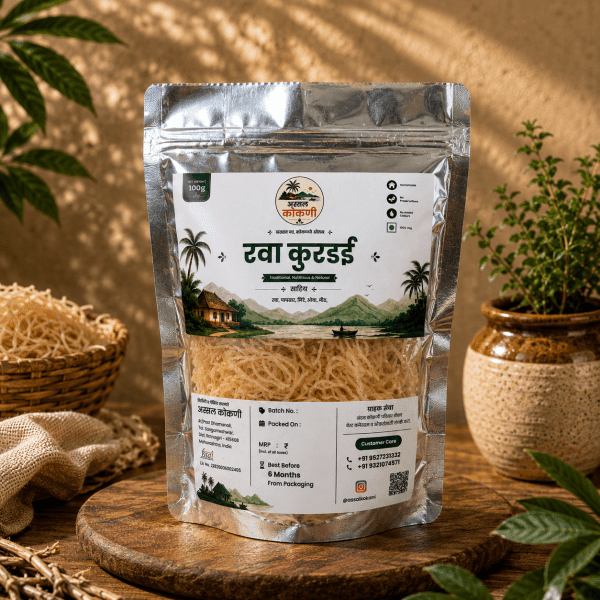
🛒 Assal Kokani Tandul Fenya
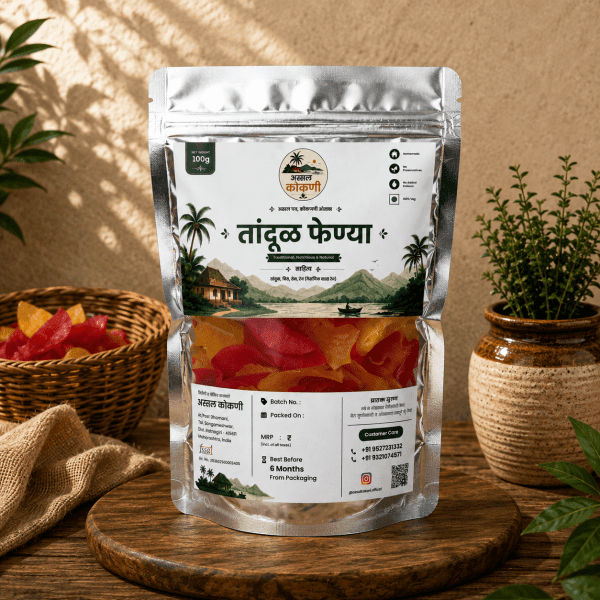
If you want to experience the traditional crispy accompaniment enjoyed with Konkani meals, Assal Kokani Tandul Fenya are one option.
They can be served with rice, amti, dal, vegetables or pickle as part of a home-style meal.
They are a simple way to bring a small taste of traditional Konkan food into your everyday meal.
👉 Explore Assal Kokani Tandul Fenya and add a crispy taste of Konkan to your meal.
❤️ Tandul Fenya Are More Than a Food
Tandul Fenya may be a simple traditional preparation.
But for many Konkani families, they are connected with memories of home and village life.
The steam rising from hot rice.
The aroma of amti.
A few crispy fenya placed on the side of the plate.
And a simple homemade meal shared with family.
These small experiences are what keep traditional food culture alive.
💭 How Does Your Family Eat Tandul Fenya?
How are Tandul Fenya served in your home?
With rice and amti?
With dal and vegetables?
With pickle?
Or does your village have another traditional way of enjoying them?
Share your village name and tell us how your family eats Tandul Fenya in the comments.
Small memories like these help preserve the diverse food traditions of different parts of Konkan.
🙏 Preserving the Traditional Taste of Konkan
Tandul Fenya are more than a crispy rice-based preparation.
Behind them are Konkan's climate, traditional sun-drying practices, local ingredients and generations of food knowledge.
In today's changing lifestyle, preserving knowledge about such traditional foods and sharing it with future generations is important.
Because preserving a traditional food is not only about preserving its taste.
It is also about preserving the memories, methods and culture connected to it.
Let us preserve the taste of Konkan, celebrate traditional foods and carry our culinary heritage forward. ❤️🌴
Jai Konkan!