Kombdi Vade and the Traditional Food Culture of Konkan
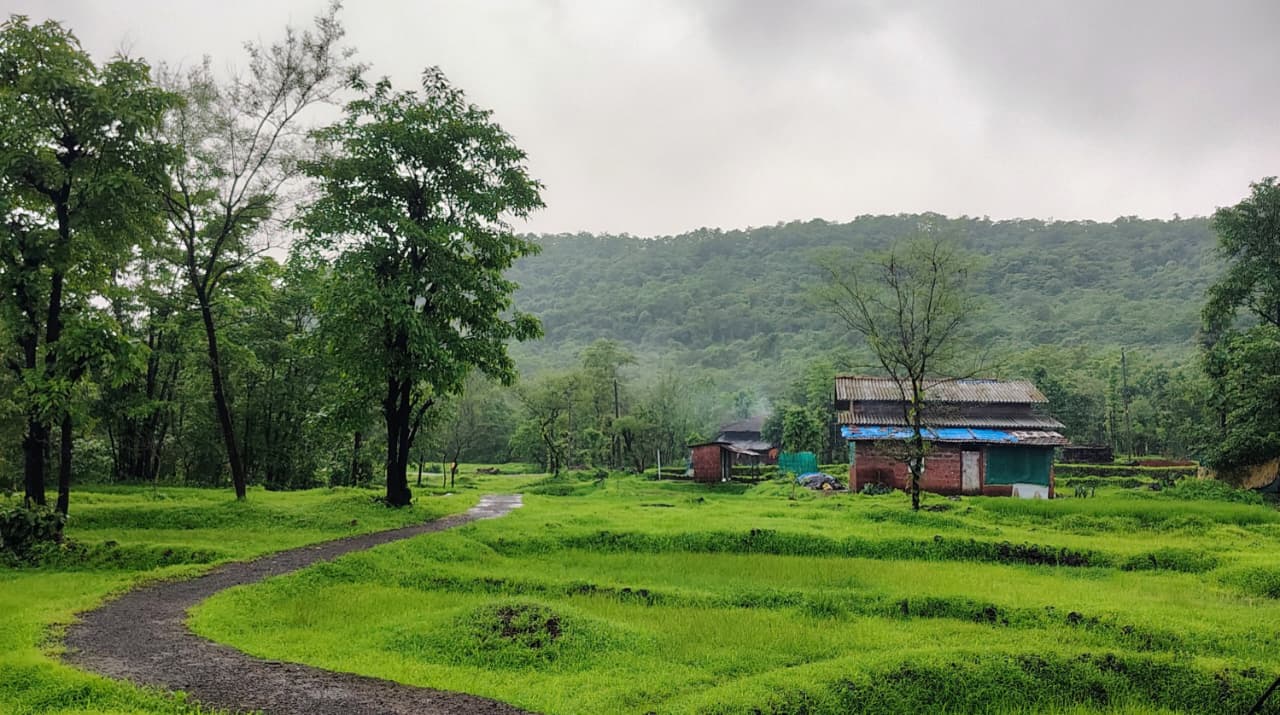
Konkan is known not only for its beautiful coastline, coconut plantations and green landscapes, but also for its distinctive food culture. Rice, coconut, kokum, seafood and traditional spices form an important part of the region's culinary identity.
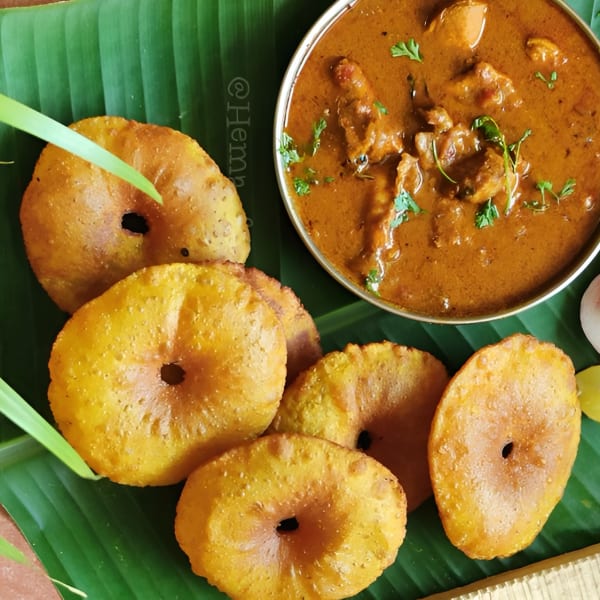
Among the traditional dishes associated with coastal Konkan is Kombdi Vade—a combination of spicy chicken curry and freshly fried vade.
The crisp vade served with a flavourful chicken curry make this a memorable meal and an important part of the region's traditional food culture. The Maharashtra Tourism Department also lists Kombdi Vade among the classic foods associated with the coastal Konkan region.
What Are Kombdi Vade?
Kombdi Vade brings together two parts of the meal—kombdi, or chicken curry, and vade, a traditional fried preparation made from a special flour mixture.
The vade are not made from ordinary wheat flour. Traditional-style vade flour is prepared using a combination of grains, pulses and spices. The exact ingredients and proportions can vary depending on regional and family recipes.
When freshly fried vade are served with hot chicken curry, the combination of texture and flavour makes the meal particularly satisfying.
🌾 Why Vade Flour Matters
The flour used for the vade plays an important role in the final taste and texture of the dish.
Traditional vade flour can contain a combination of grains, pulses and aromatic spices. Preparing such a flour mixture at home can take time because the ingredients need to be selected, prepared and ground.
For families with busy schedules, a ready traditional flour mixture can make the preparation more convenient.
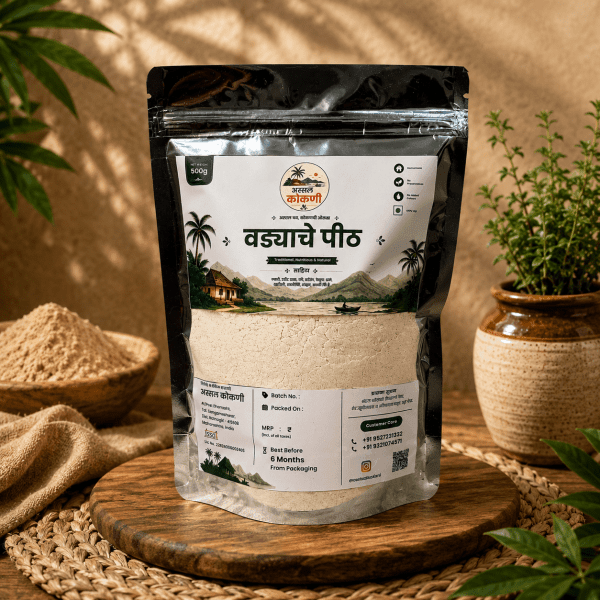
If you want to prepare traditional-style Kombdi Vade at home, you can also explore our Assal Kokani Vadyach Pith.
👉 Assal Kokani Vadyach Pith – for traditional-style Konkani Vade
🍗 The Perfect Pairing of Vade and Chicken Curry
The real character of Kombdi Vade comes from the combination of the fried vade and the chicken curry served with them.
Konkan-style cooking often makes use of coconut and aromatic spices, creating rich and flavourful curries.
A piece of hot vade dipped into the chicken curry brings together the crisp texture of the vade and the flavour of the curry.
Onion, lemon and solkadhi are also commonly enjoyed alongside traditional Konkan meals. Coconut, kokum and regional spices are important elements of the wider Konkan food tradition.
🥥 Coconut and Traditional Konkan Flavours
Coconut has a prominent place in Konkan cuisine and is used in a wide variety of curries and traditional preparations.
One of the defining characteristics of Konkan cooking is the use of locally available ingredients. Rice, pulses, coconut and spices have traditionally been used to create a wide range of dishes.
Kombdi Vade reflect this broader culinary tradition, where simple local ingredients are combined with traditional cooking techniques.
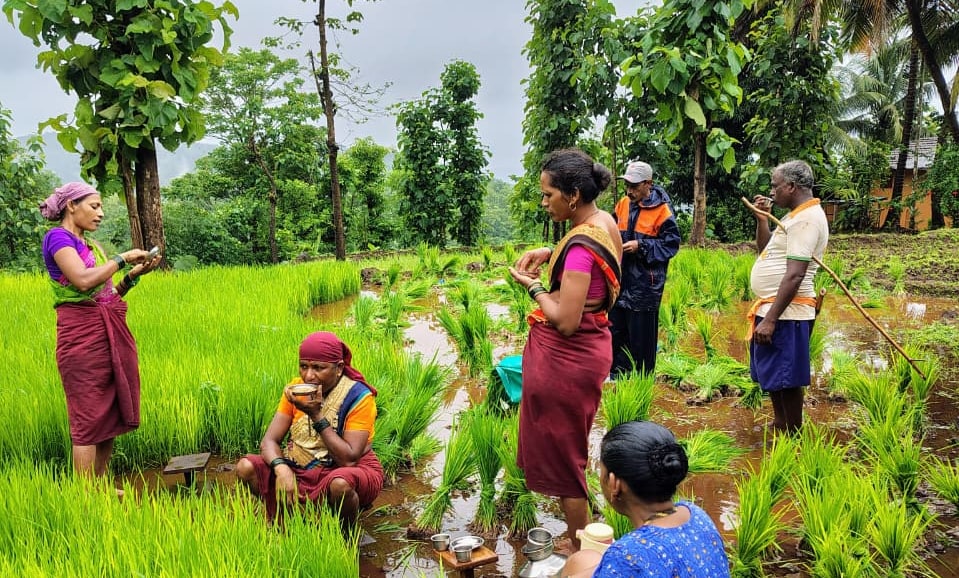
🏡 A Taste of Village Life
For many Konkani families living away from their hometowns, Kombdi Vade are more than just food.
They are a memory of home.
The aroma of spices from the kitchen, chicken curry simmering on the stove and freshly fried vade being served hot can bring back memories of village visits and family gatherings.
When relatives visit or a special meal is planned, traditional dishes such as Kombdi Vade can become part of the occasion.
Sometimes, a familiar dish can take you straight back to your village.
Kombdi Vade are one of those flavours.
🎉 A Special Meal for Family and Guests
Traditional Konkani food culture places importance on hospitality and preparing special meals for family and guests.
Kombdi Vade can be part of such occasions.
Preparing the meal can also become a family activity. Someone may prepare the chicken, another person may work on the curry, while someone else prepares the vade.
Then everyone sits together and enjoys the meal.
That makes Kombdi Vade more than a dish.
They become part of a shared family experience.
🧑🍳 Making Kombdi Vade at Home
The consistency of the vade dough is important when preparing Kombdi Vade. If the dough is too stiff or too loose, the shape and texture of the vade may not turn out as expected.
The temperature of the oil also matters. Oil that is not hot enough can cause the vade to absorb more oil, while excessively hot oil can brown the outside too quickly.
Paying attention to the dough and frying process can help you prepare better vade at home.
🌾 Traditional Taste for a Modern Kitchen
Traditionally, families could prepare vade flour at home by selecting and preparing different grains, pulses and spices before grinding them.
Today, busy lifestyles mean that not everyone has the time to prepare such flour from scratch.
A ready traditional flour mixture can therefore be a convenient option for the modern kitchen.
It makes the preparation process easier while allowing families to continue enjoying traditional dishes.
Assal Kokani Vadyach Pith can be used as a convenient option when preparing traditional-style vade at home.
❤️ Kombdi Vade – More Than Just a Dish
Kombdi Vade are not simply about satisfying hunger.
They can remind someone of their mother's cooking.
They can bring back memories of a grandmother's kitchen.
They can remind someone of a family gathering in their native village.
Or they may bring back memories of a special festival or celebration.
That is what makes traditional food meaningful.
The taste stays on the plate, but the memories stay in the heart.
💭 How Does Your Village Prepare Kombdi Vade?
Now we want to hear from you. ❤️
What do you serve with Kombdi Vade in your village?
Solkadhi, onion and lemon, a special Konkan-style chicken curry or something else?
And how does your family traditionally prepare the vade flour?
Share your village name and your family's special Kombdi Vade tradition in the comments.
Your memory might remind another Konkani family of their own village and the food they grew up eating.
🙏 Keeping Konkan's Food Traditions Alive
Konkan cuisine is much more than a collection of popular dishes. It is a food tradition shaped by local grains, pulses, spices, coconut and generations of home cooking.
Kombdi Vade are one of the dishes that represent this culinary heritage.
As lifestyles change, preserving traditional food traditions becomes increasingly meaningful.
Because preserving a traditional recipe is not just about preserving a taste.
It is about preserving the memories of our homes, villages and roots. ❤️🌴
Jai Konkan!