When we think of Konkan, we often imagine green hills, heavy monsoon showers, red soil, coconut and areca-nut plantations, and small villages surrounded by nature. But behind this beautiful landscape lies the hard work of generations of farmers. One of the most important traditional agricultural practices of the region is rice cultivation and traditional rice planting.
As the monsoon arrives, agricultural activity begins across Konkan villages. Farmers prepare their fields, raise young rice seedlings and eventually transplant them into the main paddy fields. Water-filled fields, muddy soil, green seedlings and farmers working together are among the most familiar sights of the Konkan monsoon.
🌱 Rice Is Part of Everyday Life in Konkan
Rice is more than just a crop in Konkan. It has traditionally been an important part of the rural economy and everyday life of many farming families. Since agriculture in the region depends heavily on the monsoon, rice is one of the major Kharif crops grown across many parts of Konkan.
For many families, rice cultivation has traditionally provided an important source of food for the household. Growing and storing rice for personal consumption has remained a familiar practice in several rural communities.
This is why the relationship between the people of Konkan and rice farming is not only economic. It is also deeply connected with family, food and culture.
🌾 How Does Traditional Rice Planting Begin?
Before rice seedlings are planted, the fields need to be prepared. Once the monsoon begins and sufficient water reaches the agricultural land, farmers start preparing the soil. Traditionally, the soil is worked until it becomes soft enough for young rice seedlings to be planted.
At the same time, rice nurseries are prepared separately. Rice seeds are sown and allowed to grow into young seedlings. Once the seedlings reach the appropriate stage, they are carefully removed from the nursery and transplanted into the main paddy field.
Timing is important. Farmers consider the rainfall, water level in the field and growth of the seedlings before beginning the transplantation process.
👩🌾 The Hard Work Begins in the Mud
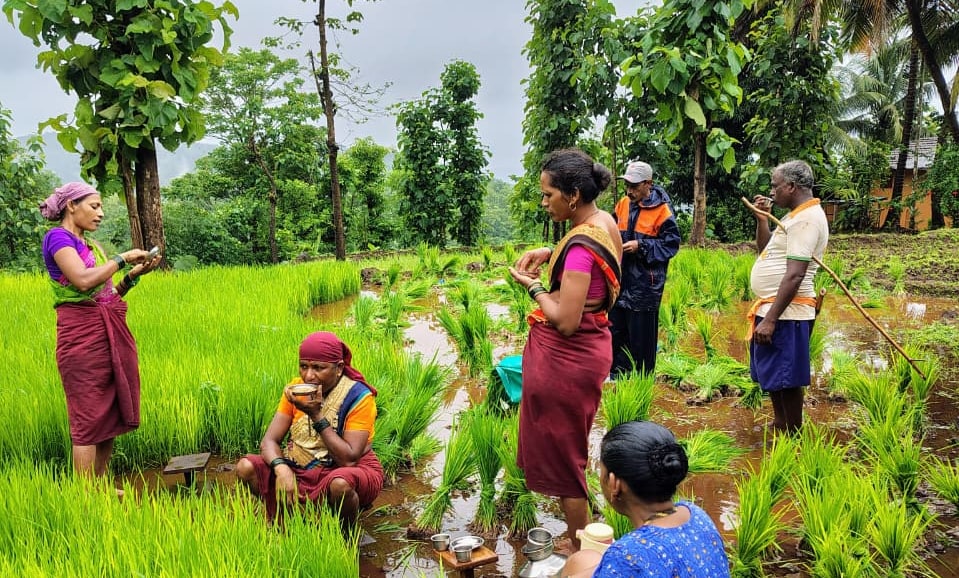
The day of rice planting brings a special kind of activity to Konkan villages. Farmers enter the water-filled fields with bundles of young rice seedlings. One by one, the seedlings are planted into the soft muddy soil.
Rows of farmers moving across the field, green seedlings in their hands and freshly planted sections appearing behind them create one of the most characteristic sights of rural Konkan during the monsoon.
Rice planting may look simple from a distance, but it requires considerable physical effort. Farmers often have to work in a bent position or stand in muddy water for long periods. Even when monsoon showers continue, the work needs to be completed within the appropriate agricultural window.
🤝 Rice Planting Was Traditionally a Community Effort
One of the beautiful aspects of traditional farming in Konkan is the culture of helping one another. In many villages, farmers traditionally supported each other during important agricultural activities.
Today, the work might be done in one farmer's field and the next day in another farmer's field. Such cooperation made the demanding work easier and also strengthened relationships within the village community.
Conversations, jokes, traditional songs and moments of laughter often became part of the work. As a result, rice planting was not simply agricultural labour. It became an important part of community life.
🎶 Traditional Songs During Agricultural Work
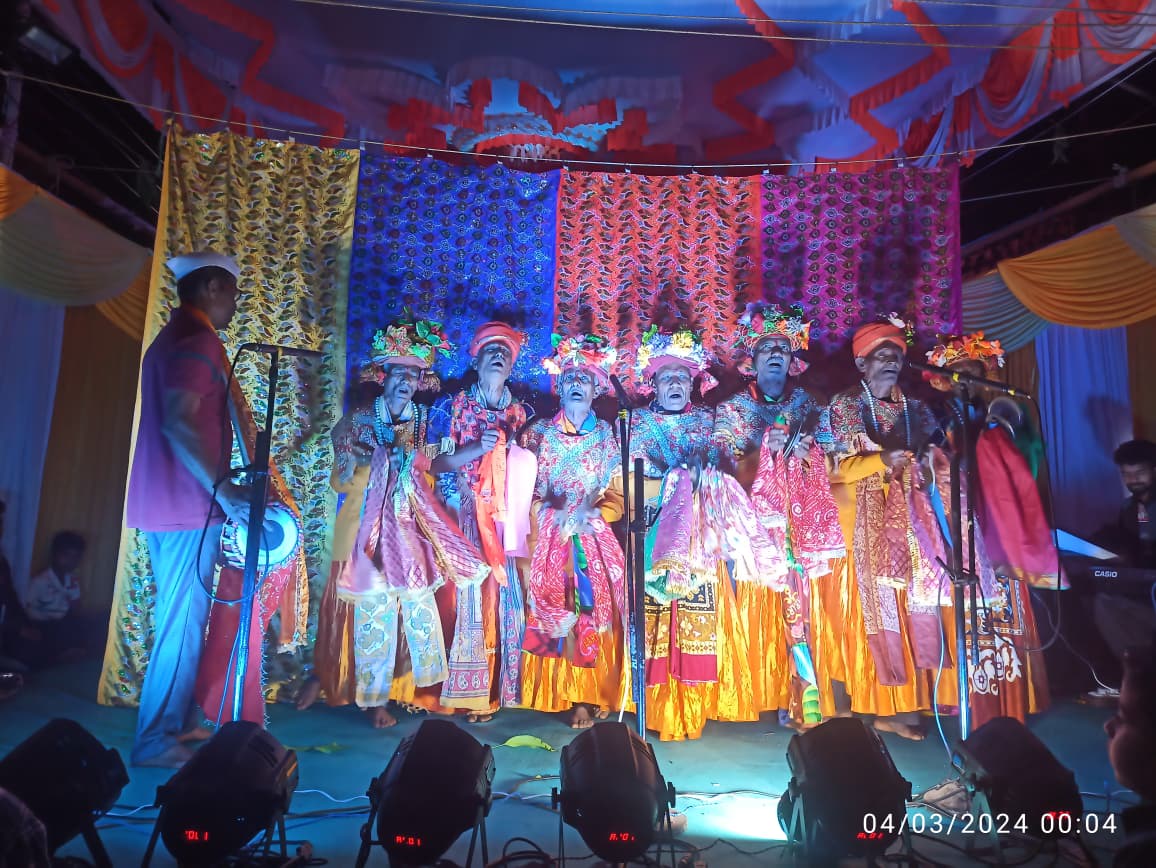
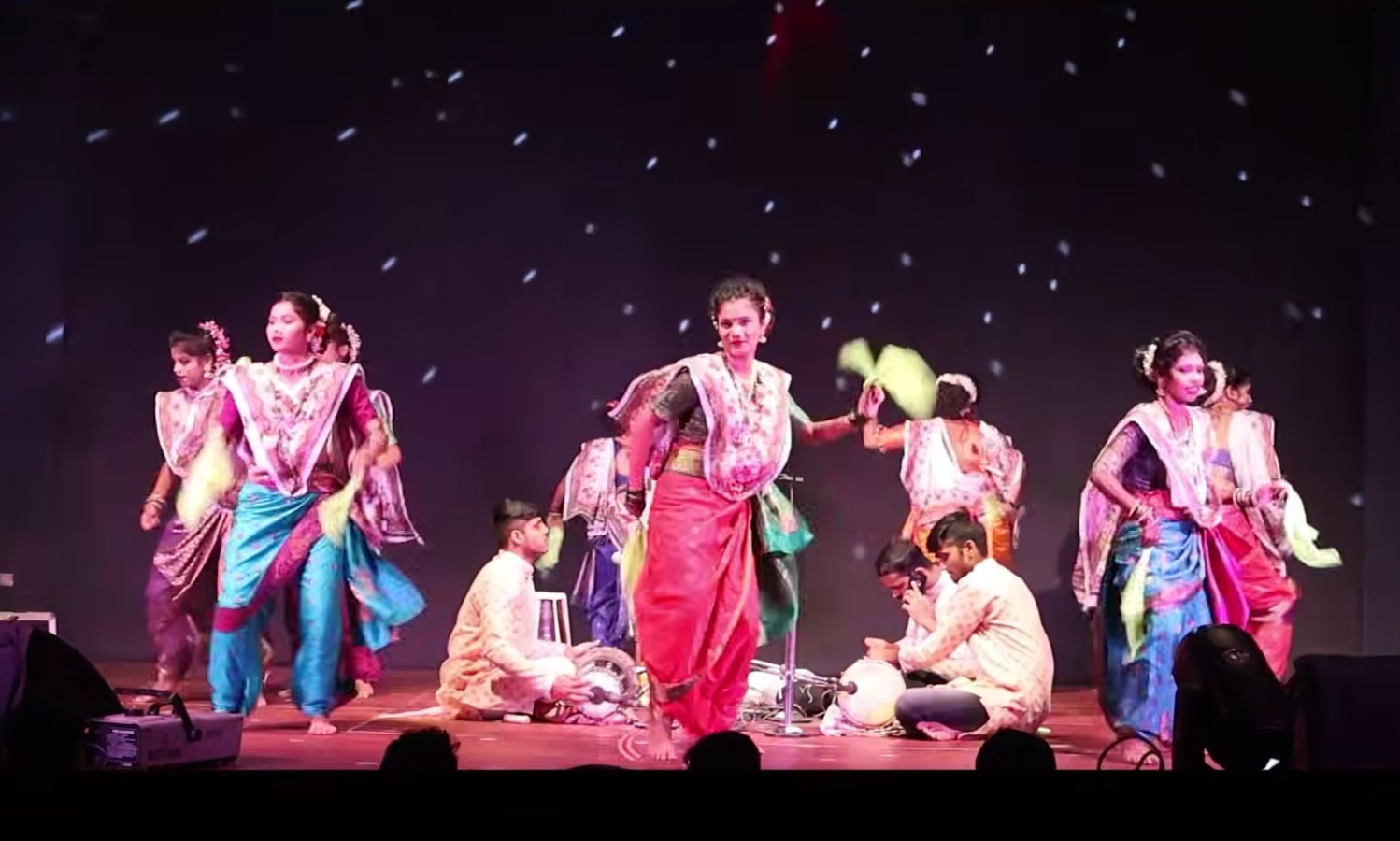
Rural life in Konkan has traditionally had a close relationship with folk culture. Songs were often sung during agricultural activities, particularly during physically demanding work.
In some communities, traditional songs associated with agricultural work helped create a sense of rhythm, energy and togetherness.
Although this practice has become less common in many places, older generations still remember the songs and atmosphere associated with working together in the paddy fields.
The sound of rainfall, footsteps in the mud and people working and singing together created a unique rural experience.
🌧️ The Konkan Monsoon and Paddy Farming
Rice cultivation in Konkan has a close relationship with the monsoon. The region receives substantial rainfall during the monsoon season, creating natural conditions suitable for paddy cultivation.
The first rains transform dry agricultural land. Water begins collecting in the fields, and within weeks, young green rice plants begin changing the landscape.
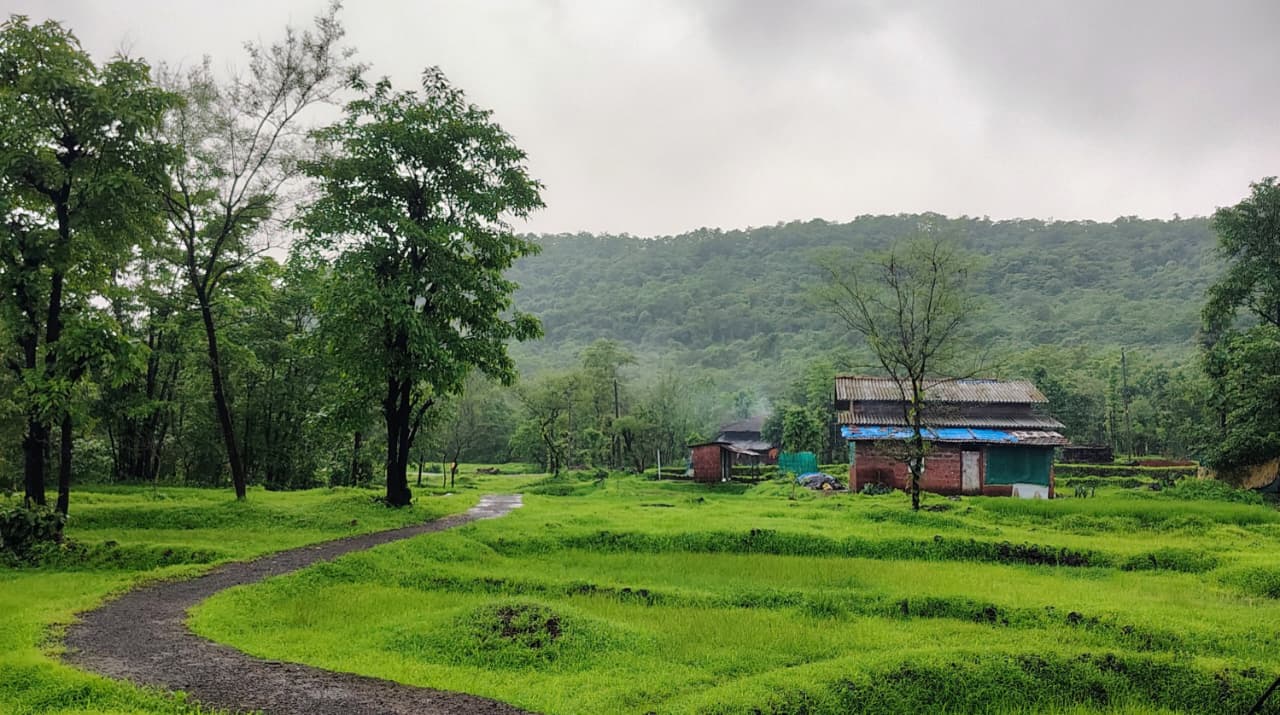
During the monsoon, travelling through Konkan often means seeing large stretches of green paddy fields. Hills covered with vegetation, small houses between fields and mist-covered landscapes create the distinctive beauty of rural Konkan.
🌱 The Work Continues After Planting
Planting the rice seedlings is not the end of the farming process. Farmers continue to monitor the fields and manage water levels, weeds and crop growth.
The young plants gradually become stronger and taller. Over time, the entire field changes from small green seedlings into a mature crop.
The success of the crop depends on several factors, including rainfall, soil conditions, water management and the farmer's continuous effort.
🌾 From Green Fields to Golden Paddy
The young green seedlings planted during the monsoon gradually mature over the following months. The green fields slowly begin turning golden as the rice crop approaches harvest.
Once the crop is ready, farmers begin harvesting and processing the rice. Traditionally, many stages of this work were carried out manually. Today, modern agricultural tools and machinery are increasingly used in several areas.
Even so, the happiness of seeing a healthy crop standing in the field remains a special moment for every farmer.
👵 Memories of Rice Planting From Older Generations
Many children growing up in cities today may never experience traditional rice planting. For them, rice is something purchased from a shop or supermarket.
But for older generations who grew up in Konkan villages, every sack of rice represents an entire agricultural journey.
It begins with the seed, continues with the nursery, moves into the muddy paddy field and eventually becomes the rice served at home.
That is why stories told by grandparents about rice planting are not simply stories about farming. They are stories about their childhood, their families and the way village life once worked.
🌿 Traditional Farming Is Changing
Agriculture in Konkan faces several challenges today. Rising farming costs, availability of agricultural labour, changing weather patterns and the migration of younger generations towards cities are influencing traditional farming practices.
In some areas, agricultural land is being cultivated less frequently, while in others, farmers are increasingly adopting modern tools and techniques.
Yet traditional rice planting continues in many villages.
The farmers who continue this practice play an important role in preserving both agriculture and the cultural identity of rural Konkan.
❤️ Rice Planting Is a Connection With the Soil
When we talk about rice planting, it is important to look beyond the crop itself.
The farmers standing in muddy fields during the monsoon, the women carefully planting seedlings, neighbours helping one another and families working together to produce their annual crop are the real story behind traditional rice farming.
Their hands may become covered in mud, but those same hands bring food to the family table.
That is why traditional rice planting in Konkan is more than an agricultural technique. It is a connection with the soil, the monsoon and a way of life passed down through generations.
🌴 A Tradition That Defines Konkan
Konkan's identity is not limited to its beaches, mangoes, cashews and coconut trees. Its villages, farms and hardworking communities are equally important parts of its cultural identity.
During the monsoon, green paddy fields add to the natural beauty of the region. But behind that beauty lies the effort of farmers and generations of agricultural knowledge.
The next time we see a plate of rice on our table, remembering the work behind that simple grain can help us appreciate the people who grow it.
💭 Does Rice Planting Still Happen in Your Village?
Does your village still follow traditional rice planting practices? 🌾
Did you ever participate in or watch rice planting during your childhood? Do you remember your parents, grandparents or other farmers working in the paddy fields during the monsoon?
Share your village name and your rice-planting memory in the comments. ❤️
Perhaps your village has a traditional method, a folk song or a special story connected with rice planting. Your memory could become the inspiration for another story about Konkan's rich rural heritage.
🙏 A Salute to the Farmers
When the monsoon arrives, we often admire the greenery of Konkan. But behind that greenery is the hard work of farmers.
They stand in muddy fields, work through the rain and depend on nature while putting in months of effort to produce the food that reaches our tables.
Every rice plant growing in the soil of Konkan carries the story of a farmer's hard work. 🌾
May this traditional practice continue to survive, reach future generations and preserve the beautiful relationship between the people of Konkan and their land.
This is the true greenery of Konkan… and this is the true identity of its soil. 🌴🌾🌧️