Kulith Pithi – A Traditional Taste of Konkan Home Cooking
Konkan's food culture has many dishes whose beauty lies in their simplicity.
Rice, coconut, kokam, pulses and local spices form the foundation of many traditional Konkani meals.
Among the traditional pulses used in the region, Kulith, also known as horse gram, has a special place.
One of the simple preparations made using Kulith flour is Kulith Pithi.
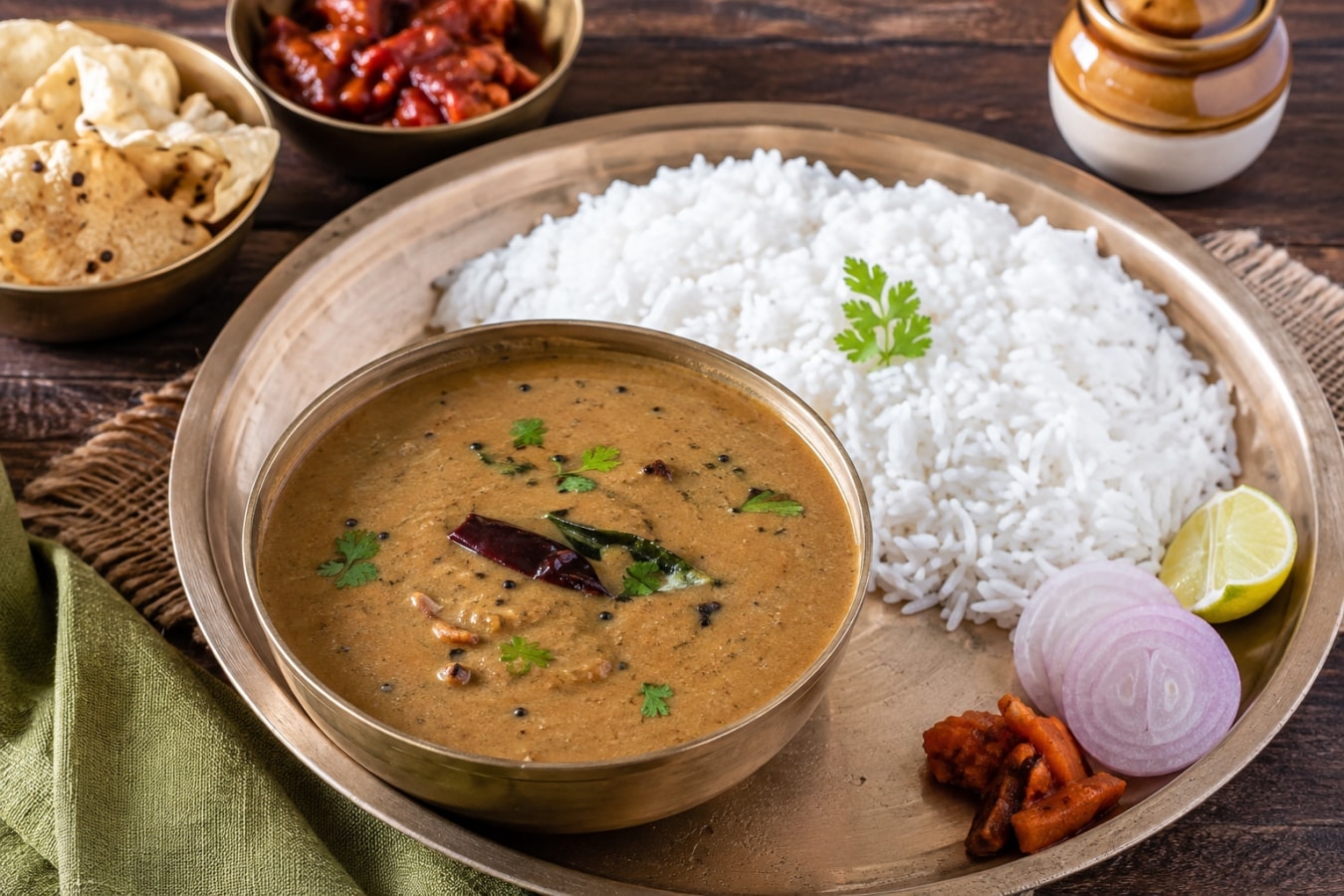
Served hot with rice, this traditional preparation is a familiar example of simple home-style Konkani food.
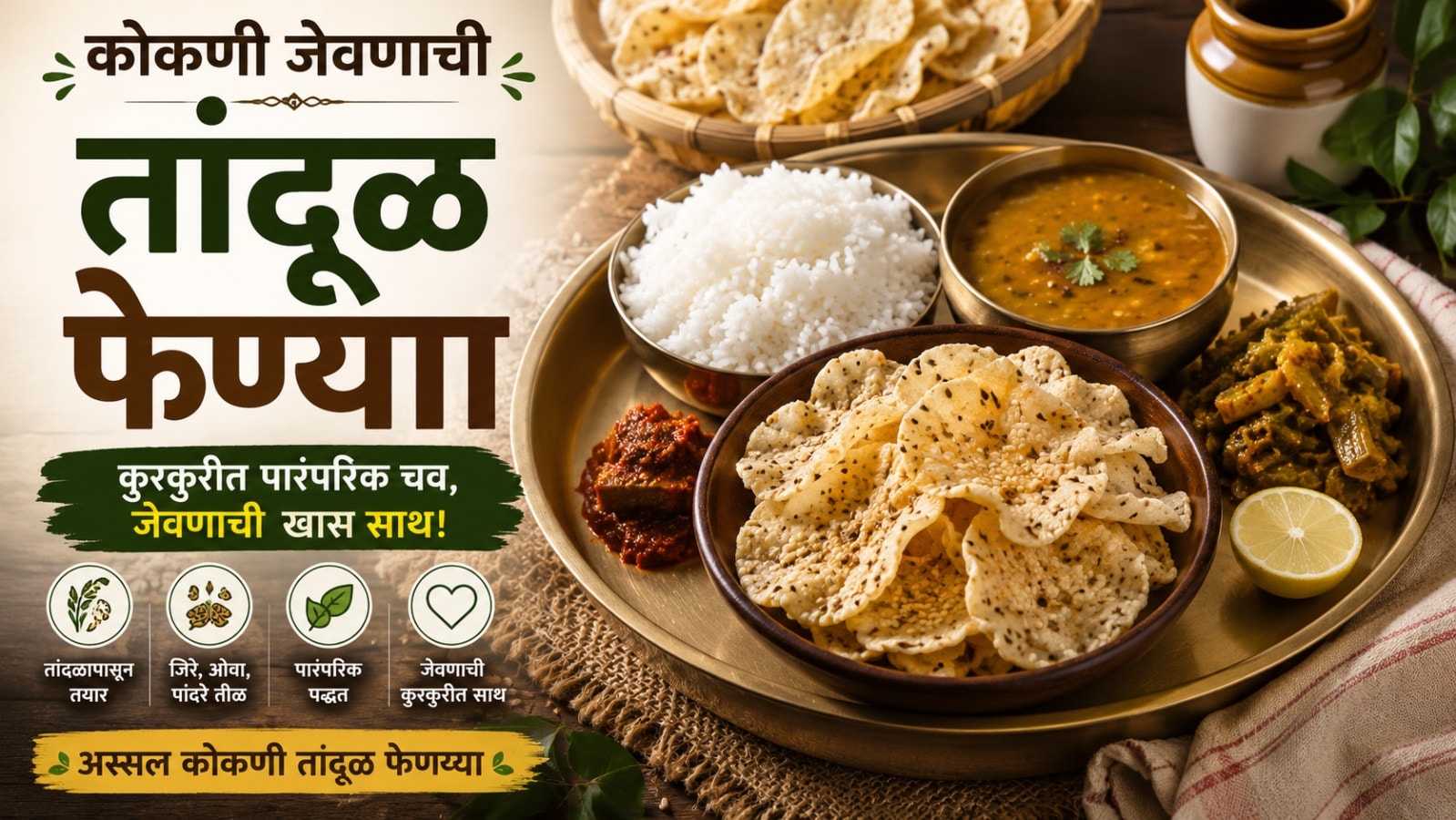
A plate of hot rice, freshly prepared Kulith Pithi and a little pickle or vegetable on the side can make a comforting traditional meal.
Kulith Pithi is primarily enjoyed as part of a meal rather than as a standalone snack.
🌾 What Is Kulith?
Kulith is a traditional pulse commonly known in English as horse gram.
In Maharashtra and Goa, horse gram is used in several traditional preparations, including amti, usal and pithla or pithi.
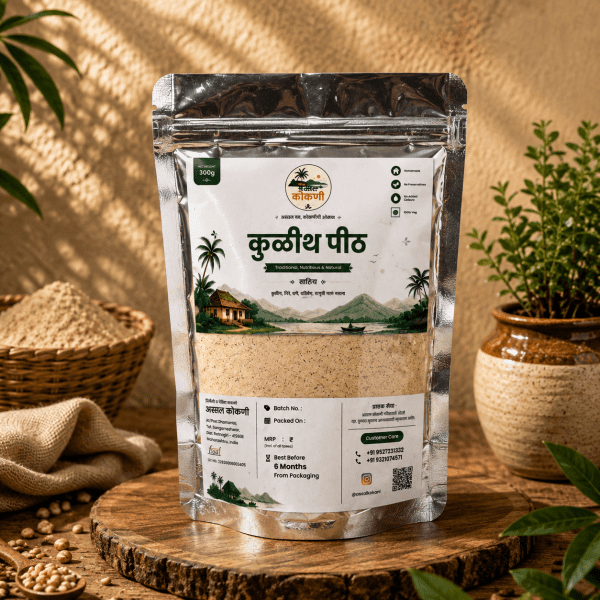
Kulith can also be processed into flour, commonly known as Kulith Peeth.
This flour can then be used in different traditional recipes.
Because of its versatility, Kulith Peeth has an important place in traditional regional kitchens.
🏡 What Is Kulith Pithi?
Kulith Pithi is a traditional preparation made using horse gram flour.
The flour is mixed with water to create a smooth mixture and then cooked with a tempering and spices according to the household recipe.
As it cooks, the mixture gradually thickens into a soft, flavorful pithi.
Some families may add kokam, garlic, onion, green chilli, coconut or other local ingredients.
The exact preparation varies from one household to another.
These small differences give each family's Kulith Pithi its own character.
🍚 Kulith Pithi with Hot Rice
The first thing many people associate with Kulith Pithi is hot rice.
A serving of steamed rice is topped or accompanied by warm Kulith Pithi.
The softness of the rice combined with the hearty texture and flavour of the pithi makes a simple but satisfying meal.
Pickle, papad, vegetables or another homemade accompaniment can be served alongside it.
This is why Kulith Pithi is better understood as a traditional meal accompaniment rather than a typical snack.
🌴 Kulith Pithi and Konkan Food Culture
Traditional Konkani cooking has always made creative use of locally available ingredients.
Kulith is one of the pulses associated with traditional rural and regional diets.
Its flour can be used in different ways, and Kulith Pithi is one of the simplest preparations made from it.
Serving pithi with hot rice is closely connected with home-style cooking traditions in the Konkan region.
The dish does not require a long list of complicated ingredients.
A little flour, a traditional tempering, water and spices can come together to create a comforting homemade preparation.
🧄 What Ingredients Are Used in Kulith Pithi?
The ingredients used in Kulith Pithi can vary according to household tradition.
Common ingredients may include:
- Kulith Peeth
- Onion
- Garlic
- Green chilli
- Mustard seeds
- Cumin
- Asafoetida
- Turmeric
- Red chilli powder
- Salt
- Kokam
- Fresh coconut
- Coriander
Not every household uses all of these ingredients.
Some families prefer a simple preparation, while others add kokam, coconut or spices for a more distinctive flavour.
🍳 How Is Kulith Pithi Prepared?
The exact method can vary between households.
Generally, Kulith flour is first mixed with water to create a smooth mixture.
It is important to avoid lumps in the mixture.
A tempering is then prepared in a pan using oil.
Depending on the household recipe, mustard seeds, cumin, asafoetida, garlic, green chilli or onion may be added.
The diluted Kulith flour mixture is then added to the tempering.
It is cooked over a low flame while being stirred regularly.
As it cooks, the mixture gradually becomes thicker.
Kokam, fresh coconut or coriander may be added according to the recipe.
Once ready, the hot pithi is served with rice.
🥄 How Can You Avoid Lumps?
One of the most important steps when making Kulith Pithi is mixing the flour with water properly.
Adding dry flour directly to hot tempering can result in lumps.
It is therefore easier to mix the Kulith flour with water separately and create a smooth mixture first.
Once the mixture is added to the pan, regular stirring helps maintain a smooth texture.
The amount of water can also be adjusted according to preference.
Some people prefer a thinner pithi, while others like it thicker.
🥥 Kokam and Coconut in Konkani Cooking
Kokam and coconut are familiar ingredients in many Konkani preparations.
Some households also use kokam and fresh coconut while preparing Kulith Pithi.
The earthy flavour of Kulith, the tanginess of kokam and the mild taste of coconut can create a distinctive regional flavour.
However, using kokam or coconut is not a universal requirement.
Different families have different recipes, which is why the final taste of Kulith Pithi can vary from one home to another.
🌧️ Warm Kulith Pithi During the Monsoon
Konkan's monsoon brings frequent rain, lush green fields and a cooler atmosphere.
Warm home-cooked food feels especially comforting during this season.
A hot serving of Kulith Pithi with rice is one such simple meal associated with traditional home cooking.
The sound of rain outside, the aroma of tempering from the kitchen and a plate of hot rice with pithi create memories that many Konkani families cherish.
🌾 Other Traditional Uses of Kulith Peeth
Kulith flour is not used only for making pithi.
Kulith is used in several traditional preparations depending on the region and household.
It can be used for dishes such as amti, pithla and usal, among other regional preparations.
This versatility makes Kulith Peeth a useful ingredient in traditional Konkani and Maharashtrian kitchens.
🏠 Every Home Has Its Own Pithi
One of the best things about traditional food is that there is rarely only one version.
One household may use more garlic.
Another may prefer a stronger kokam flavour.
Some may add more coconut.
Others may keep the preparation very simple so that the flavour of Kulith remains prominent.
The consistency, spices and accompaniments can also vary.
That is what makes Kulith Pithi more than just a recipe.
It becomes a taste associated with the home and family.
👵 Memories of Traditional Home Cooking
Some dishes are difficult to recreate exactly, even when we know the ingredients.
That is because their flavour is connected with memories.
A village home.
A rainy courtyard.
The aroma of tempering coming from the kitchen.
A plate of hot rice.
And Kulith Pithi prepared by a mother or grandmother.
Modern kitchens may have many new foods and ingredients, but simple traditional dishes like this often remain memorable.
🛍️ What to Check When Buying Kulith Peeth
When buying Kulith Peeth, it is useful to check a few basic details.
- Read the ingredient list.
- Make sure the package is properly sealed.
- Check the net weight and MRP.
- Look at the packed date and best-before date.
- Follow the storage instructions provided on the package.
After opening, storing the flour in an airtight container helps protect it from moisture.
🛒 Assal Kokani Kulith Peeth
If you want to prepare traditional Kulith Pithi at home, good-quality Kulith Peeth is an important starting ingredient.
Assal Kokani Kulith Peeth can be used to prepare homemade pithi according to your family's preferred method.
Serve it with hot rice, vegetables or other traditional Konkani accompaniments.
👉 Explore Assal Kokani Kulith Peeth and bring the traditional taste of Konkan into your home cooking.
❤️ Simple Pithi, Deep Memories
Kulith Pithi may look like a simple dish.
But the memories associated with it can be much bigger.
Hot rice.
Warm pithi.
A little pickle on the side.
And a simple homemade meal shared with family.
Sometimes, that is all you need for a satisfying meal.
The beauty of Konkan's food culture often lies exactly in this simplicity.
💭 How Does Your Family Make Kulith Pithi?
How is Kulith Pithi prepared in your home?
Do you add kokam?
Do you use fresh coconut?
Do you make it with garlic and onion tempering?
And most importantly—
How do you serve Kulith Pithi with rice?
Share your village name and your family's traditional method in the comments.
A simple preparation from one village may bring back a beautiful memory for another Konkani family.
🙏 Kulith Pithi – A Taste of Konkan Home Cooking
Kulith Pithi is more than a preparation made from horse gram flour.
Behind it are Konkan's land, traditional pulses, home-style cooking methods, monsoon memories and generations of food knowledge.
When we prepare Kulith Pithi today, we are not only making a simple meal.
We are also keeping a small part of our regional food culture alive.
Preserving and sharing such traditional foods helps pass this knowledge to future generations.
Let us preserve the taste of Konkan, celebrate traditional pulses and carry the flavours of our homes forward. ❤️🌴
Jai Konkan!