Diwali in Konkan – Traditional Celebrations, Diwali Faral and Village Customs
Diwali brings to mind glowing lanterns, rows of earthen lamps, beautiful rangoli designs, homemade festive snacks and joyful family gatherings.
Diwali is celebrated with great enthusiasm across Maharashtra, but celebrations in the Konkan region have a special charm of their own. Traditional village homes, lamps in courtyards, early-morning Abhyanga Snan, homemade faral and visits to relatives give Konkan Diwali its distinctive rural character.
For many people from Konkan who live in Mumbai, Pune and other cities, Diwali is a special opportunity to return to their hometowns. It is more than a festival; it is a time to reconnect with family, childhood memories and local traditions.
Let's explore the significance of Diwali, traditional celebrations in Konkan and the delicious festive food prepared during this festival.
Why Is Diwali Celebrated?
Diwali, also known as Deepavali, is widely celebrated as the Festival of Lights. It symbolises the victory of light over darkness, good over evil and knowledge over ignorance.
According to the Ramayana, Lord Rama returned to Ayodhya after completing fourteen years of exile and defeating Ravana. The people of Ayodhya welcomed him by lighting lamps. This story is traditionally associated with Diwali.
Different parts of India also follow different religious stories and customs associated with the festival. In Maharashtra, Narak Chaturdashi, Lakshmi Pujan, Balipratipada and Bhau Beej are among the important celebrations.
Five Important Days of Diwali
1. Vasubaras
Vasubaras marks the beginning of the Diwali celebrations in many Maharashtrian households. Cows and calves are worshipped on this day.
In rural areas, farming families care for and decorate their cattle. The day reflects gratitude towards animals that play an important role in agricultural life.
2. Dhanatrayodashi
Dhanatrayodashi, also known as Dhanteras, is associated with wealth, prosperity and the worship of Lord Dhanvantari.
Many families purchase new utensils, gold or silver on this day. It is also an important occasion for traders and business owners.
3. Narak Chaturdashi
Narak Chaturdashi is one of the most eagerly celebrated days of Diwali in Maharashtra.
People wake up early in the morning and perform Abhyanga Snan, a traditional oil bath using fragrant oil and herbal bathing powder called utane.
After the bath, family members wear new clothes, offer prayers and enjoy homemade Diwali faral.
In some families, a bitter fruit called karit is symbolically crushed underfoot. This represents the victory over Narakasura.
4. Lakshmi Pujan
Lakshmi Pujan is one of the most important days of Diwali. Homes are cleaned and decorated, and lamps are lit around the house.
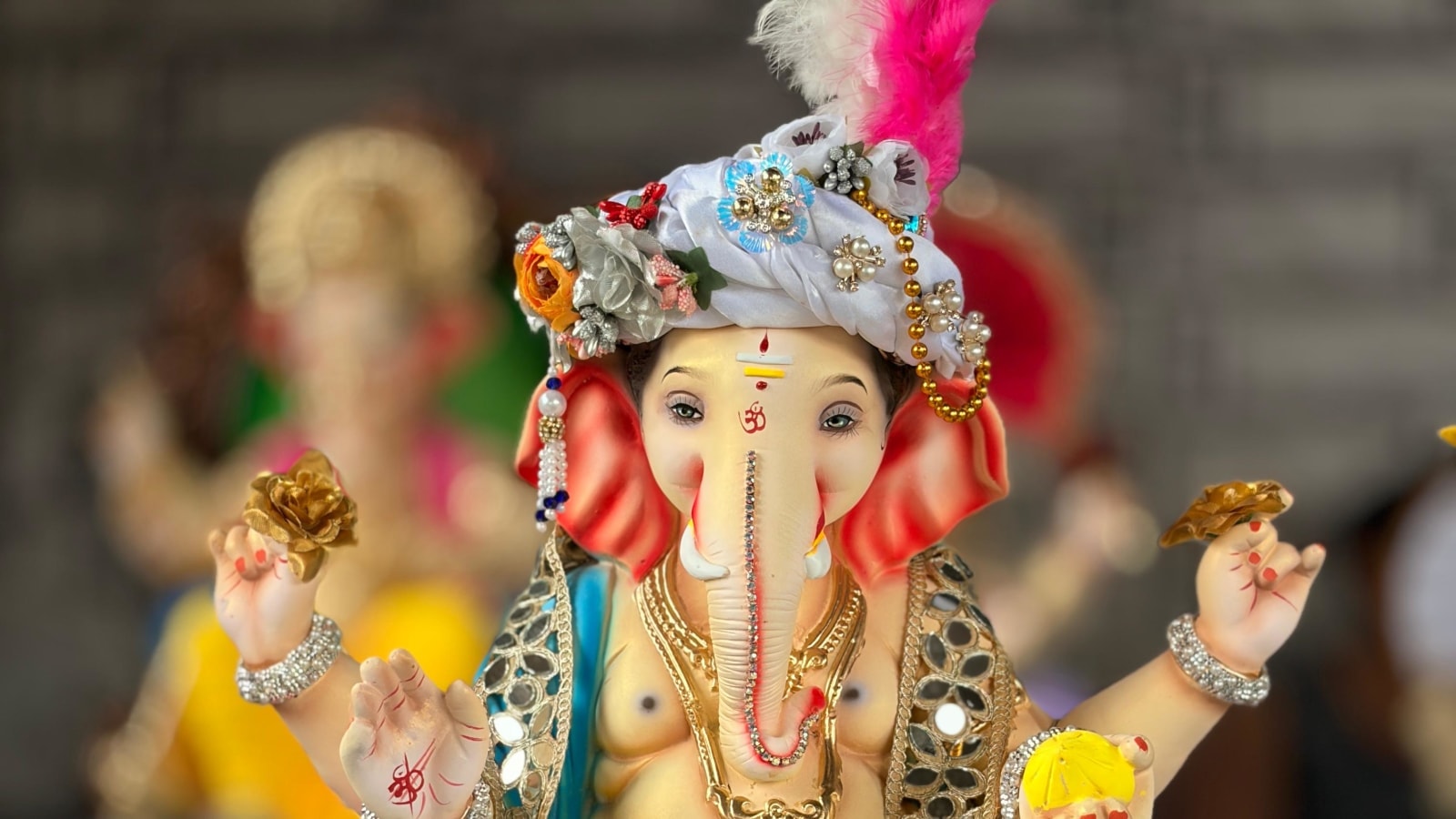
Families worship Goddess Lakshmi and Lord Ganesha for prosperity, happiness and well-being. Business owners also perform puja at their shops and workplaces.
5. Diwali Padwa and Bhau Beej
Diwali Padwa, also known as Balipratipada, is associated with King Bali and is an important day in Maharashtra. It is also celebrated as a special occasion for the husband-wife relationship in many families.
Bhau Beej celebrates the bond between brothers and sisters. Sisters perform aarti for their brothers, and brothers express their affection through gifts and blessings.
Special Diwali Traditions in Konkan
1. Early Morning Abhyanga Snan
In many Konkan households, Diwali begins with an early-morning Abhyanga Snan.
Family members wake up before sunrise and prepare for the traditional bath using fragrant oil and utane. Elders often apply utane to children as part of the family ritual.
Some households also follow the tradition of performing aukshan before the bath. Afterward, family members wear new clothes and offer prayers.
2. The Narakasura Tradition
In parts of Konkan and Goa, communities prepare symbolic effigies of Narakasura and burn them around the early morning of Narak Chaturdashi.
These effigies are made using materials such as paper, bamboo and cloth. Local groups and young people sometimes participate in preparing them.
This tradition is not followed in every Konkan village, but it is an important feature of Diwali celebrations in certain areas.
3. Akash Kandil and Earthen Lamps
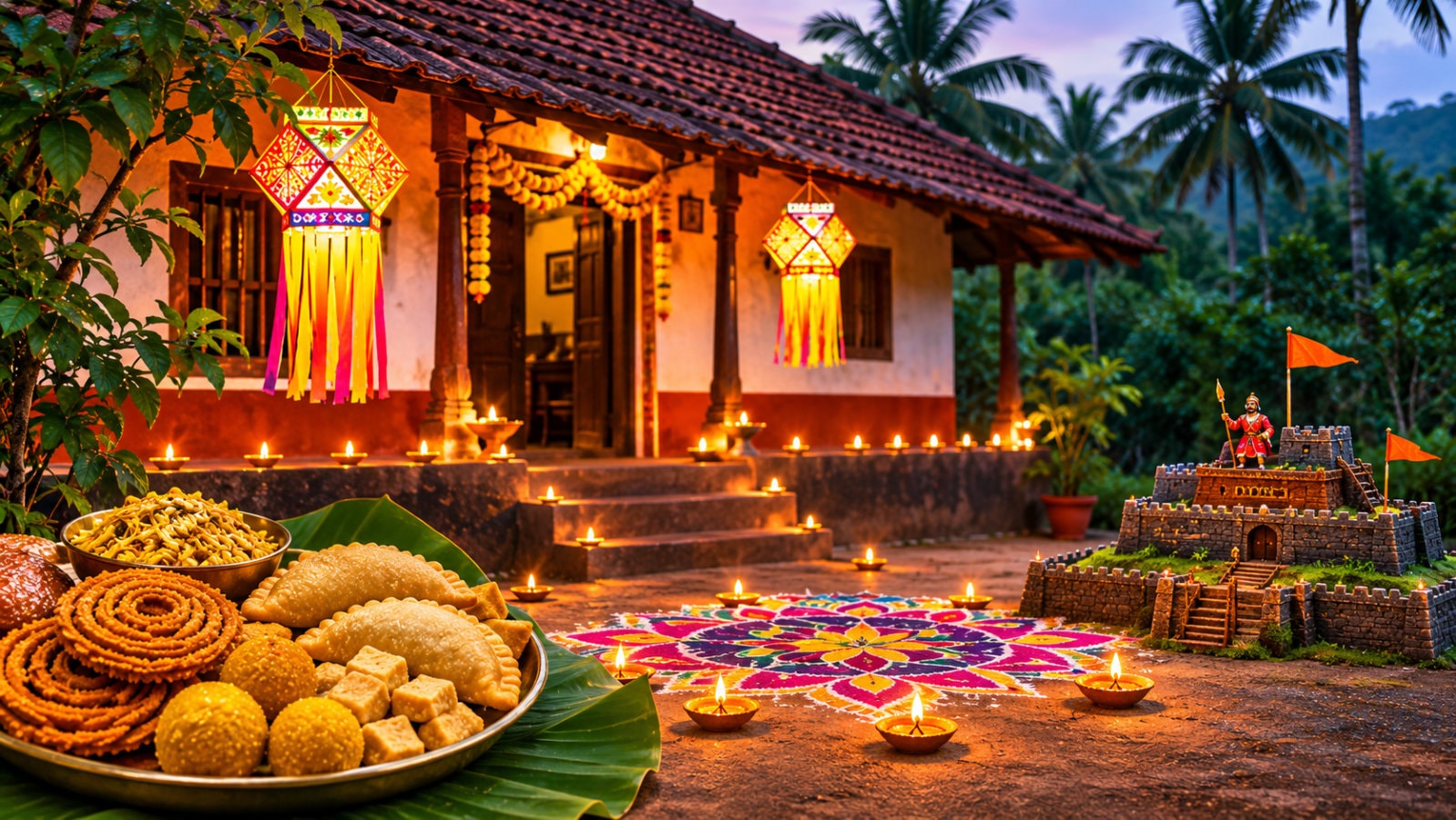
Before Diwali, homes are cleaned and decorated. Colourful Akash Kandils are hung outside houses and traditional earthen lamps are placed in courtyards and near Tulsi Vrindavan.
The glow of lanterns and lamps across village homes creates a beautiful festive atmosphere.
4. Traditional Rangoli
Drawing rangoli at the entrance of the house is a cherished Diwali tradition.
Families decorate their entrances with colourful patterns featuring flowers, lamps, lotus designs and traditional motifs. Earthen lamps placed around the rangoli add to the festive beauty.
5. Diwali Forts
Building miniature forts is a favourite Diwali activity among children in Maharashtra.
Children use soil, stones and other materials to create small fort models. They decorate them with figures of Chhatrapati Shivaji Maharaj, the Mavlas and saffron flags.
This tradition helps children learn about the history and heritage of Maharashtra's forts.
Traditional Diwali Faral in Konkan
Diwali and faral are inseparable. In the days leading up to the festival, families prepare a variety of traditional sweets and savoury snacks.
Konkan households enjoy familiar Maharashtrian faral as well as dishes that use coconut and jaggery.
Some popular Diwali delicacies include:
1. Chakli: A crunchy spiral snack prepared using rice flour and lentil flour.
2. Chivda: A savoury mixture made with flattened rice, peanuts, coconut, curry leaves and spices.
3. Karanji: A sweet pastry filled with coconut, sugar or jaggery and dry fruits.
4. Shankarpali: A sweet, crispy snack prepared using flour, sugar and ghee.
5. Ladoo: Besan ladoo, rava ladoo and coconut ladoo are popular festive sweets.
6. Anarse: A traditional sweet prepared using rice and jaggery.
7. Poha: In some Konkan and Goan households, different varieties of poha are enjoyed on the morning of Narak Chaturdashi. These include milk poha, curd poha, potato poha and onion poha.
Sharing homemade faral with neighbours, relatives and friends remains a cherished tradition in many villages.
Returning to the Village for Diwali
For people from Konkan who work and live in Mumbai, Pune and other cities, Diwali is a special opportunity to visit their hometowns.
The warmth of the family home, homemade snacks, conversations with old friends, visits to relatives and lamps glowing in the courtyard make village Diwali memorable.
Even though Diwali is celebrated in cities, the experience of celebrating it in one's native village holds a special place in the hearts of many Konkan families.
How to Celebrate an Eco-Friendly Diwali
Diwali is a festival of happiness and togetherness. We can make the celebrations more environmentally responsible through a few simple choices.
- Use traditional earthen lamps wherever possible.
- Decorate homes and courtyards with flowers.
- Choose reusable decorations instead of disposable plastic items.
- Avoid noisy and highly polluting fireworks.
- Share food and clothes with people in need.
- Support local artisans by purchasing handmade lanterns and lamps.
Conclusion
Diwali in Konkan is a beautiful combination of tradition, culture, nature and family togetherness.
The early-morning Abhyanga Snan, homemade faral, colourful Akash Kandils, rangoli and family gatherings make the festival truly special.
Times and lifestyles may change, but the love for traditional celebrations continues across generations.
Wherever we live, Diwali reminds us of our hometowns, families and cultural roots.
How is Diwali celebrated in your village? Share a special Diwali tradition from your hometown in the comments.
Warm Diwali wishes from Assal Kokani! 🪔